AI in Architecture: How Artificial Intelligence is Transforming Design Workflows in 2026
Architecture has always been a balance between creativity and constraint. But today, that balance is under pressure.
Projects are more complex. Timelines are shorter. Expectations are higher.
And the traditional workflow—sketch, iterate, model, revise—is starting to show its limits.
Design teams are spending more time optimizing than creating. More time fixing than exploring.
This is where Artificial Intelligence is quietly changing everything. Not by replacing architects—but by reshaping how they think, test, and build ideas.
The Shift: From Manual Iteration to Intelligent Generation
One of the biggest bottlenecks in architecture has always been iteration.
Testing multiple layouts, orientations, lighting conditions, or structural options takes time.
A lot of it.
AI introduces a new paradigm: generative design.
Instead of manually creating one solution at a time, architects can now input constraints:
site conditions
climate data
material preferences
budget limits
And AI generates hundreds of optimized design options in seconds.
This isn’t about automation. It’s about expanding the design space.
The Science: Data-Driven Design Decisions
AI in architecture isn’t just visual—it’s analytical.
Tools powered by machine learning can now simulate:
natural light behavior
airflow and ventilation
thermal performance
energy efficiency
In early design stages.
This changes a critical dynamic:
-Decisions are no longer based on intuition alone.
-They’re supported by real-time data.
For example, AI-driven daylight analysis can predict how a space will feel at different times of the day—before it’s even built. This is where architecture starts to intersect with human behavior and well-being.
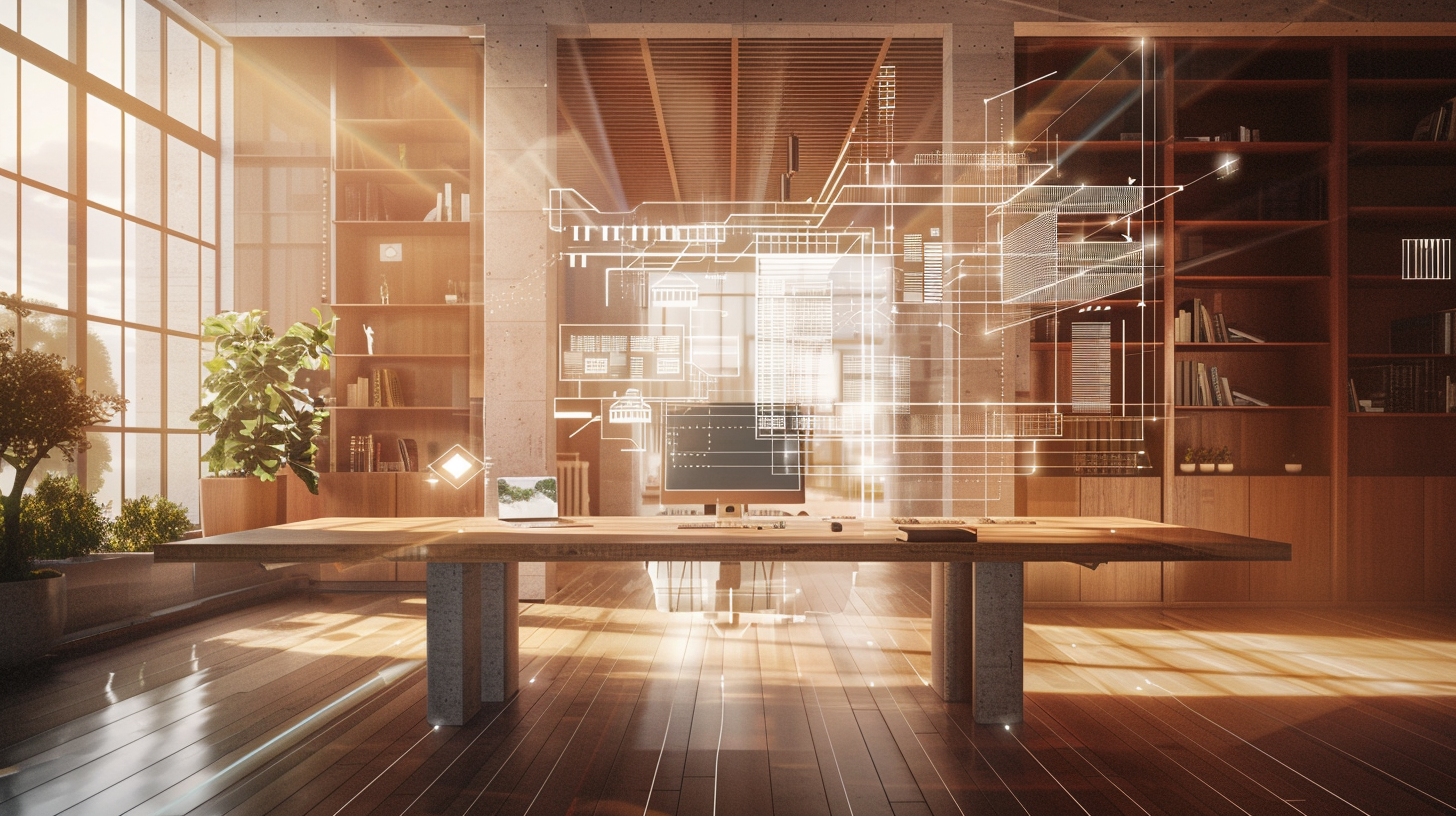
Key Applications of AI in Architecture
1. Generative Design
AI explores multiple design possibilities based on constraints.
➡️ Benefit: Faster ideation + better optimization
2. Automated Space Planning
AI can suggest layouts based on usage patterns and efficiency.
➡️ Benefit: Reduced manual drafting time
3. Predictive Performance Analysis
Simulation tools analyze energy use, lighting, and comfort.
➡️ Benefit: Smarter sustainability decisions early on
4. Image & Concept Generation
AI tools generate conceptual visuals instantly.
➡️ Benefit: Faster client communication and alignment
5. Construction Optimization
AI predicts costs, materials, and timelines.
➡️ Benefit: Reduced risk and better project control
The Human Question: Will AI Replace Architects?
Short answer: No.
But it will replace how architects work.
AI handles:
repetitive tasks
optimization processes
data-heavy analysis
Which leaves architects with:
strategy
creativity
human-centered design
The real shift isn’t technological.
It’s cognitive.
Architects move from:
“How do I design this?”
to:
“Which of these possibilities is the most meaningful?”
The Opportunity: Designing for Human Experience
This is where AI becomes powerful.
Not as a tool for efficiency—but as a tool for better spaces.
With faster workflows, architects can focus more on:
emotional impact
spatial clarity
well-being
For example:
optimizing light for circadian rhythm
designing calmer environments
reducing sensory overload
AI gives back what the industry has been losing: time to think.
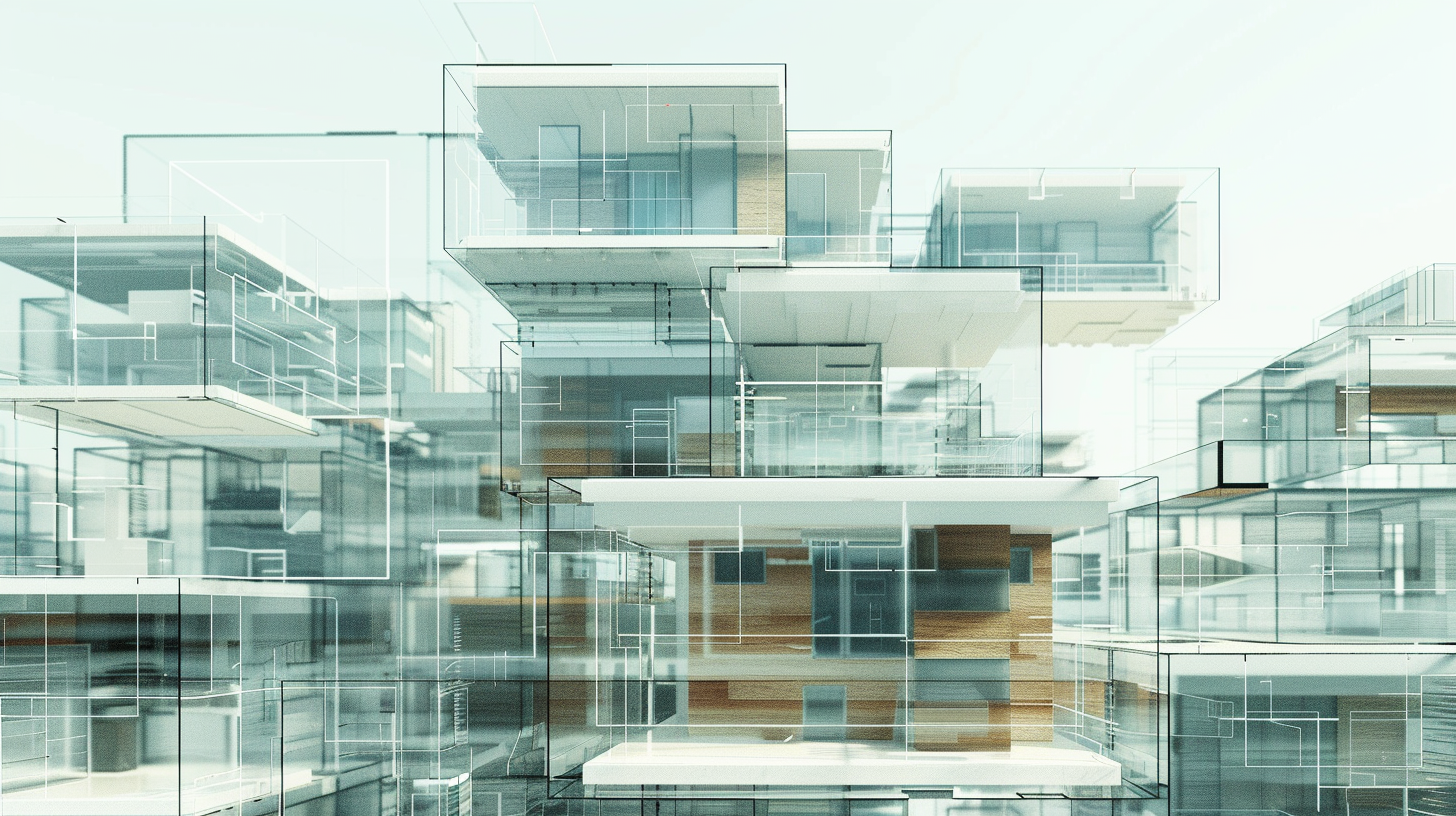
3 Practical Ways to Use AI Today
You don’t need a massive firm to start.
Here are 3 actionable ways:
1. Use AI for Concept Exploration
Generate multiple early-stage ideas before committing.
2. Integrate Performance Tools Early
Test light, energy, and airflow before finalizing design.
3. Improve Client Communication
Use AI-generated visuals to explain ideas faster and clearer.
The Risk: Over-Reliance on Optimization
There’s a downside.
AI tends to optimize for:
efficiency
cost
performance
But architecture is not only about efficiency.
It’s also about:
emotion
identity
meaning
The danger is creating spaces that are “perfect” on paper…
but empty in experience.
Conclusion: A New Design Mindset
AI is not the future of architecture. It’s already part of the present.
The real question is not whether to use it—but how.
Used correctly, AI doesn’t replace creativity.
It amplifies it.
It allows architects to move faster, think deeper, and design with more intention.
And in a world that feels increasingly artificial…
That might be exactly what we need.