Architecting the Spring Equinox: Mexico’s Sunlit Traditions
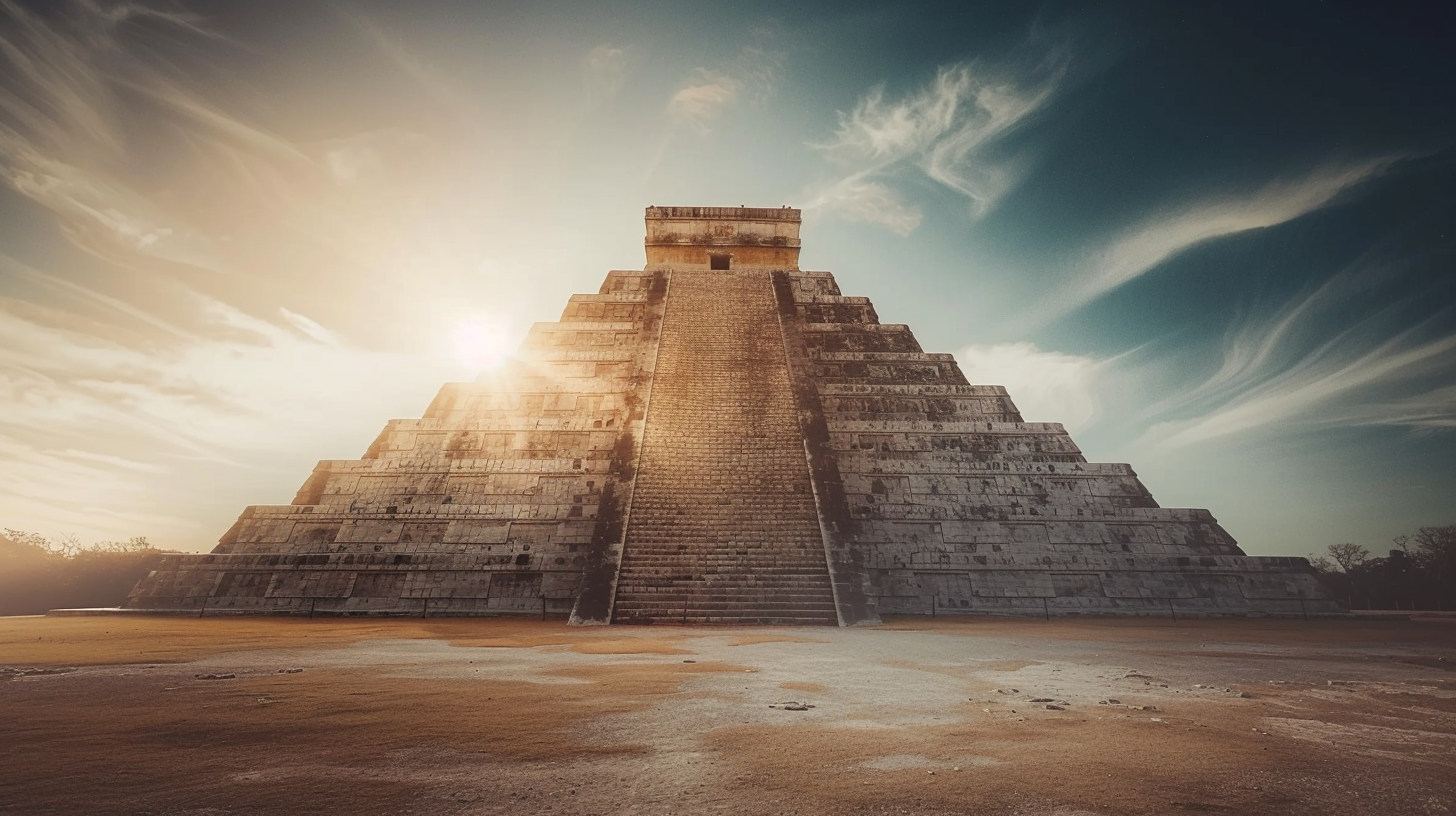
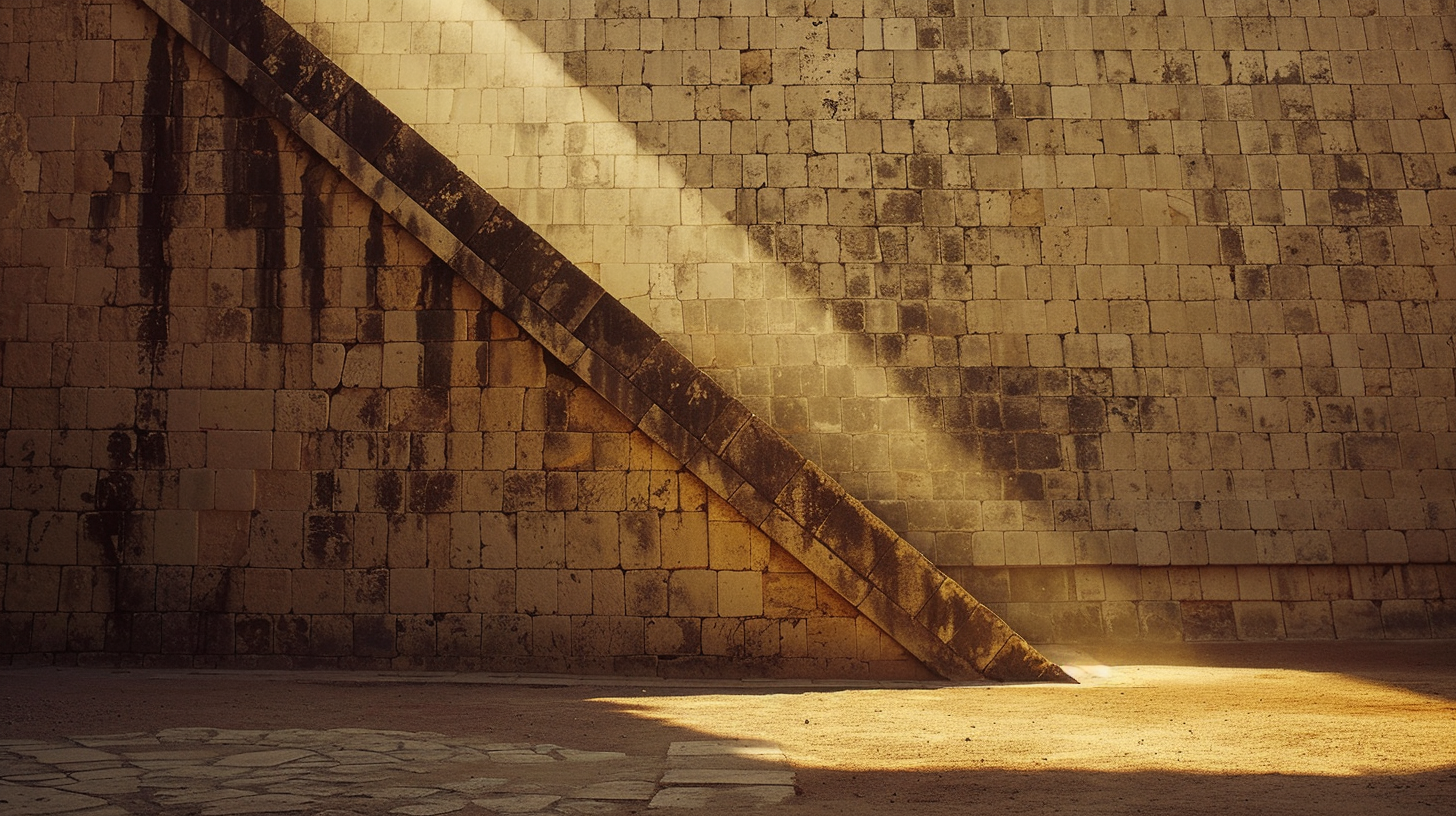
The March equinox (March 20, 2026 at 9:46 AM CDT) is when day and night are nearly equal. For the Maya, it symbolized renewal and balance. Many Maya temples were intentionally aligned to the sun. At Chichén Itzá’s pyramid (El Castillo), “Maya architects designed the pyramid with such geometric precision that a deliberate architectural manipulation of sunlight occurs during the equinox”. Specifically, in late afternoon on the equinox the corner shadows of the pyramid appear to form a feathered serpent slithering down the steps. This grand illusion – the Descent of Kukulcán – occurs because the temple’s orientation and angles catch the sun’s rays exactly right.
UNESCO notes that Chichén Itzá’s stone monuments (including El Castillo and the circular observatory El Caracol) reveal the Maya–Toltec world view. The equinox phenomenon is one of the most famous examples of this cosmic alignment. As the Riviera Maya blog explains, “architecture was designed with extraordinary precision to align with solar events. During the equinox, sunlight interacts with temples and pyramids in remarkable ways, creating striking shadow patterns”. In other words, the ancient builders treated sunlight itself as a building material.
Mexico’s spring climate reinforces these effects. March is the dry season on the Yucatán Peninsula, with clear skies and daytime highs of 32–35°C, ideal for sunlit ceremonies. In central Mexico, mornings can still be cool, so equinox pilgrims often combine sunrise rituals (e.g. at Dzibilchaltún) with sunset events at Chichén Itzá.
Light, Balance, and Well-being
Modern science confirms that daylight is vital for health and mood. Studies show that employees in daylit offices report 15% higher wellbeing and 6% higher productivity. Natural light acts as a powerful circadian cue: “Natural light and darkness give our body clocks essential time cues, regulating sleep quality and wellbeing”. In other words, exposure to morning and midday sunlight helps sync our internal rhythms. Research on biophilic design (incorporating nature into architecture) finds similar benefits. One Human Spaces report found greenery and daylight can boost productivity by 6% and creativity by 15%, while also reducing stress. Another study notes that living around plants “reduces cortisol levels and lower stress”.
Just as Maya architects aligned with the equinox for balance, modern designers can harness natural light and materials to create calm, healthy spaces. For example, orienting windows east-west (for equal morning/evening light) and using light-colored, reflective surfaces can flood interiors with sun. Even simple strategies—skylights, clerestory windows, open courtyards—have measurable impact on occupant mood.
Designing Today with Equinox Insights
Drawing from the Maya example, here are practical design tips:
· Orient and Scale Windows: East- and west-facing windows capture low-angle equinox light. At Chichén Itzá, the west-facing pyramid harnesses the setting sun. In your design, use larger west windows or light shelves to bounce spring evening sun deep into living spaces.
· Use Reflective Surfaces and Colors: The Maya used polished limestone for pyramid steps. In homes, light paint and glossy finishes can mimic this effect, maximizing light bounce. Mirrors and glass walls also spread that “renewal” light.
· Incorporate Outdoor Views and Plants: Frame views of the sky (even a small courtyard). Biophilic touches (indoor plants, water features) complement the light to boost stress reduction.
· Layer Lighting by Time of Day: Mimic the Maya rituals by planning different light scenes: bright warm light in morning, subdued lighting in evening. Use dimmers or smart lighting to reinforce natural circadian cues.
· Seasonal Shading: In hot climates, like Yucatán (35°C days), add deep overhangs or adjustable shades so that low-angle equinox sun penetrates, but high summer sun is blocked. This is essentially what Maya temples achieve with their massive stone geometry.
By combining ancient wisdom with modern research, designers create spaces that literally balance light and dark. This balance can improve occupants’ sleep, mood and productivity – a very 21st-century interpretation of the Maya’s “renewal” themes.