The Future of Biophilic Luxury: Why Regenerative Design is the New Standard
In the evolving landscape of high-end residential architecture, the definition of "luxury" is undergoing a profound metamorphosis. For decades, opulence was defined by the rarity of materials—imported marbles, exotic hardwoods, and gold-plated fixtures. Today, the most exclusive luxury is not something that can be mined or manufactured; it is the quality of the environment itself. We have entered the era of Regenerative Biophilic Design.
This shift marks a departure from superficial greening—the mere placement of potted plants in a lobby—toward a holistic integration of natural systems into the built environment. As we look toward the future of architecture, it is clear that the most prestigious residences will not just minimize their environmental impact; they will actively improve the health of their occupants and the ecosystems they inhabit.
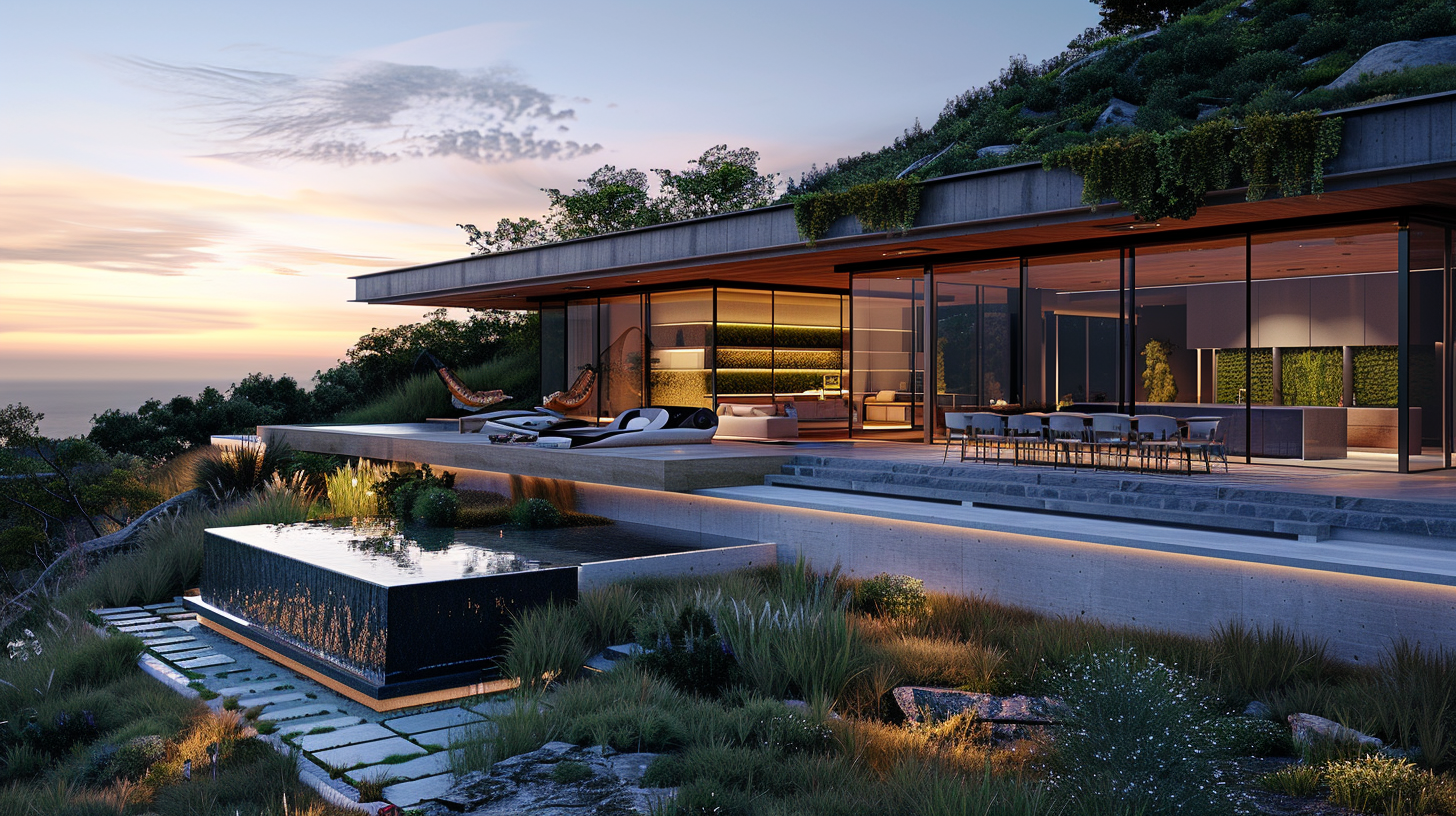
Beyond Decoration: The Architectural Logic of Regeneration
At its core, Regenerative Architecture treats a home as a living organism rather than a static container. It leverages biophilic principles to create a closed-loop system where architecture serves as an interface between the user and nature.
The logic is architectural, not merely ornamental. It involves:
Active Air Filtration: Utilizing botanical wall systems that function as biological filters, scrubbing volatile organic compounds (VOCs) and particulate matter from indoor air.
Circadian Lighting Integration: Aligning interior illumination with the natural solar cycle to regulate melatonin and cortisol levels, thereby enhancing the psychological well-being of the inhabitants.
Passive Thermal Regulation: Incorporating living thermal masses—such as green roofs or integrated vertical water features—that naturally modulate interior temperatures, reducing reliance on HVAC systems.
When these elements are synthesized, the result is an environment that functions as a high-performance wellness asset. For the high-net-worth homeowner, this is the ultimate investment: a space that works as hard for their physiology as it does for their aesthetic sensibilities.
The Intersection of Wellness and Property Value
Why is this the new standard for the luxury market? The answer lies in the growing evidence linking biophilic design to cognitive function and stress reduction. In high-pressure professional environments, the home has become the ultimate sanctuary.
Regenerative design addresses "nature deficit disorder" by re-establishing the human connection to natural rhythms. From a market perspective, this is a distinct differentiator. Properties that feature integrated green infrastructure demonstrate higher occupancy retention and significant premiums in resale value. This is not just a trend; it is a fundamental shift toward human-centric architecture.
Material Innovation: The Bio-based Revolution
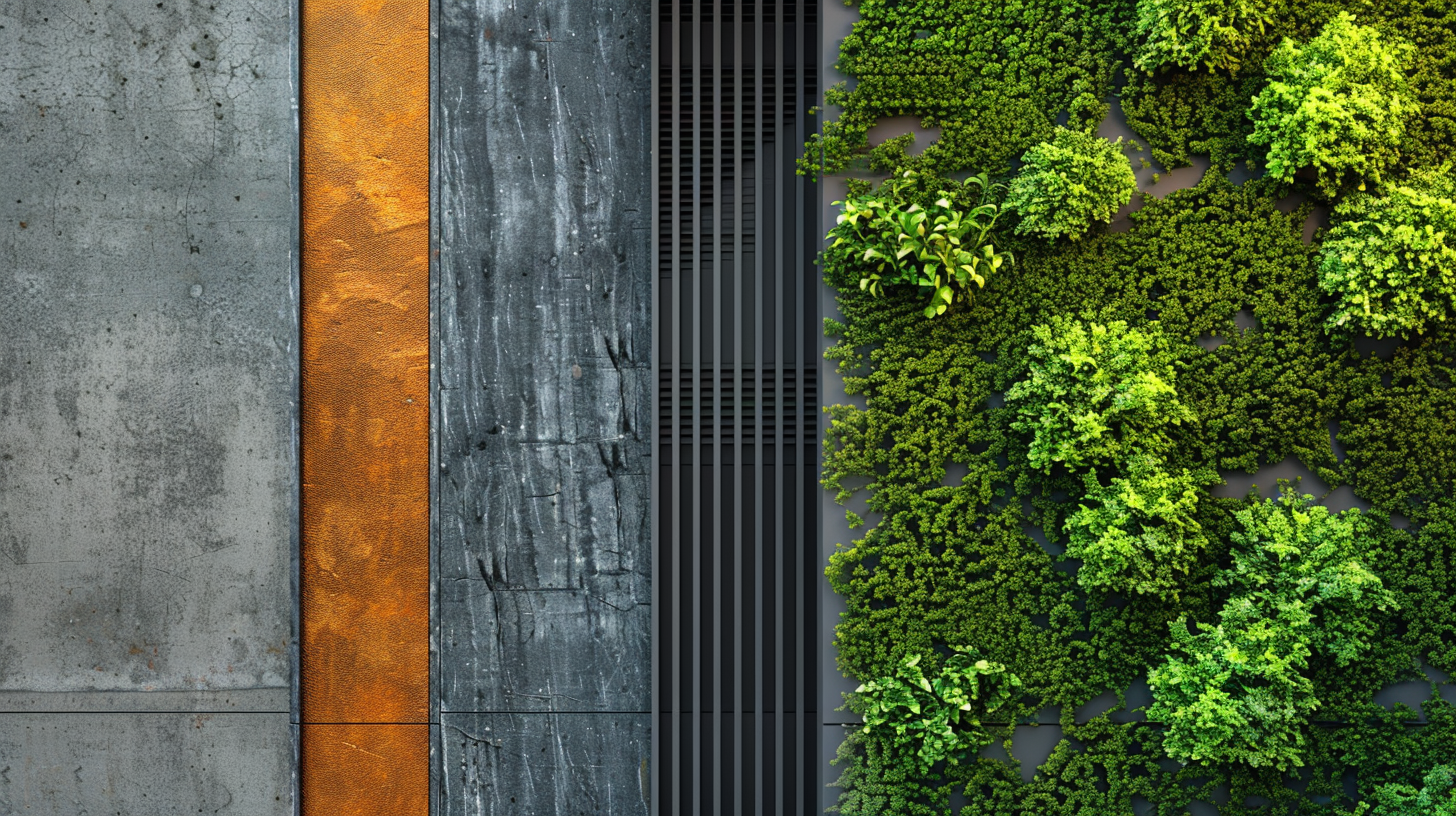
A defining feature of 2026 design is the transition to bio-based composites. We are moving away from traditional synthetic finishes toward mycelium-based acoustic panels, hempcrete insulation, and carbon-sequestering timber frames.
These materials do more than provide a sleek, minimalist aesthetic; they contribute to a "breathable" building envelope. By specifying materials that are non-toxic and carbon-negative, architects are effectively creating indoor microclimates that feel fundamentally different from standard construction. The sensation is one of purity and silence—the new benchmarks of high-end living.
Implementing Regenerative Principles
For those looking to integrate these standards, the transition begins with an audit of the building’s current relationship with its environment.
Light Analysis: Prioritize the maximize of natural daylight through strategic glazing that minimizes thermal gain while optimizing solar heat gain in winter months.
Water Strategy: Implement greywater recycling systems that feed vertical biophilic installations, creating a self-sustaining water loop.
Psychological Zoning: Design spaces that transition from "active" social zones to "restorative" private zones using varying degrees of light, texture, and proximity to green elements.
Conclusion: The New Mandate
The future of luxury is not found in the excessive consumption of resources, but in the sophisticated management of them. As architects and designers, our mandate is to move beyond the aesthetic veneer. We must champion regenerative design as the standard-bearer for modern luxury. By synthesizing advanced engineering with the intuitive grace of nature, we are not just building houses; we are crafting the future of human habitation.